
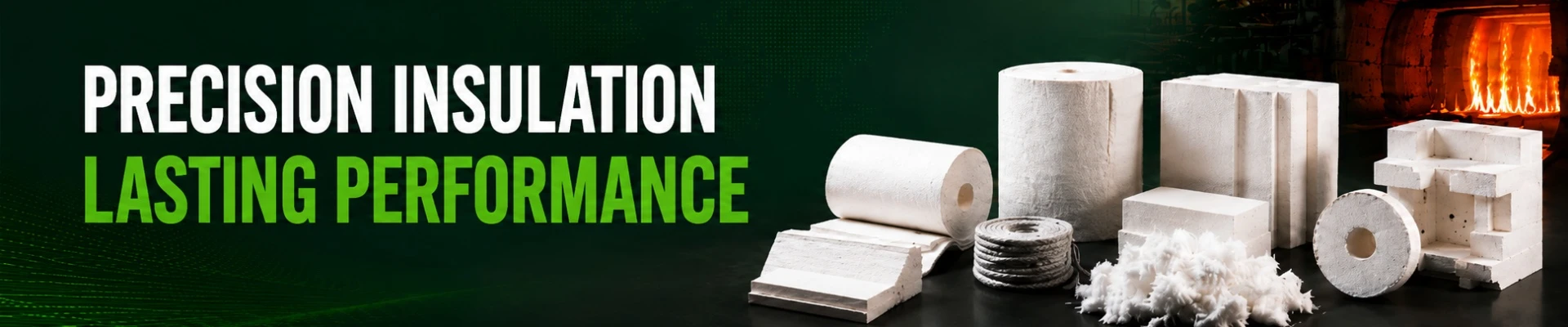
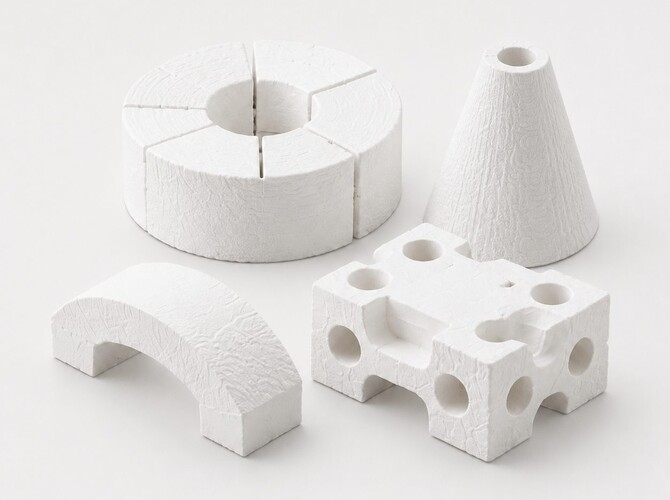




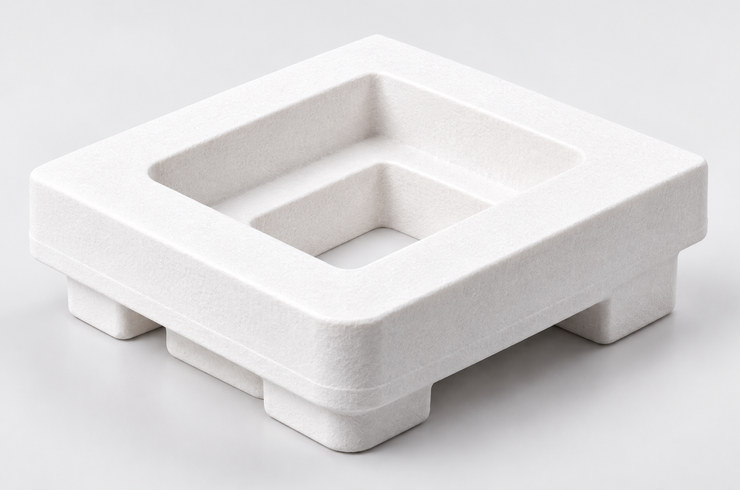
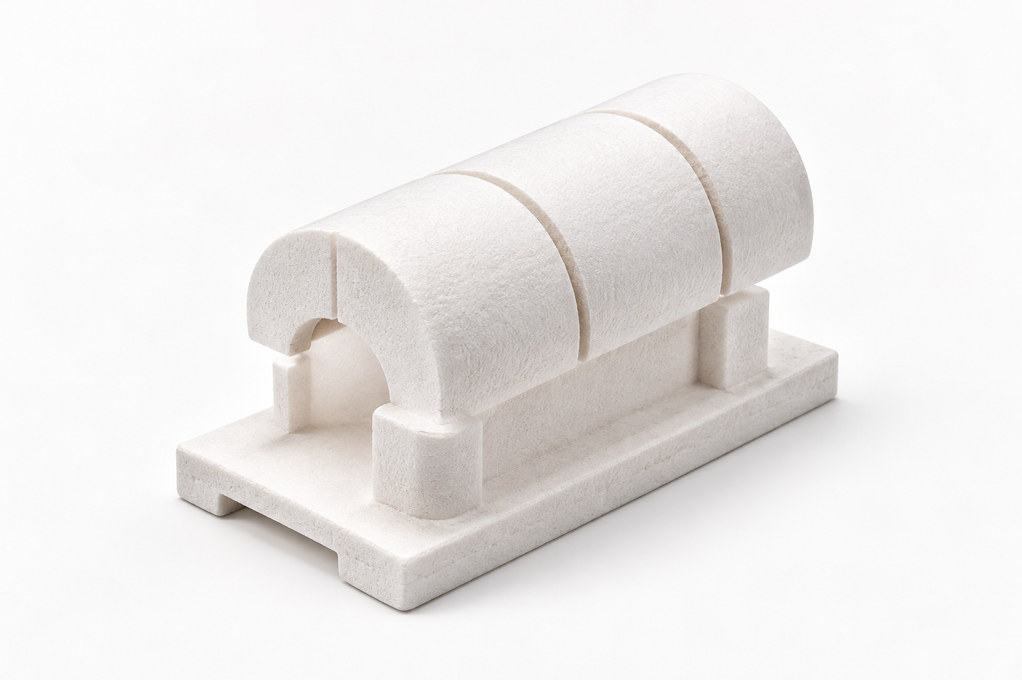
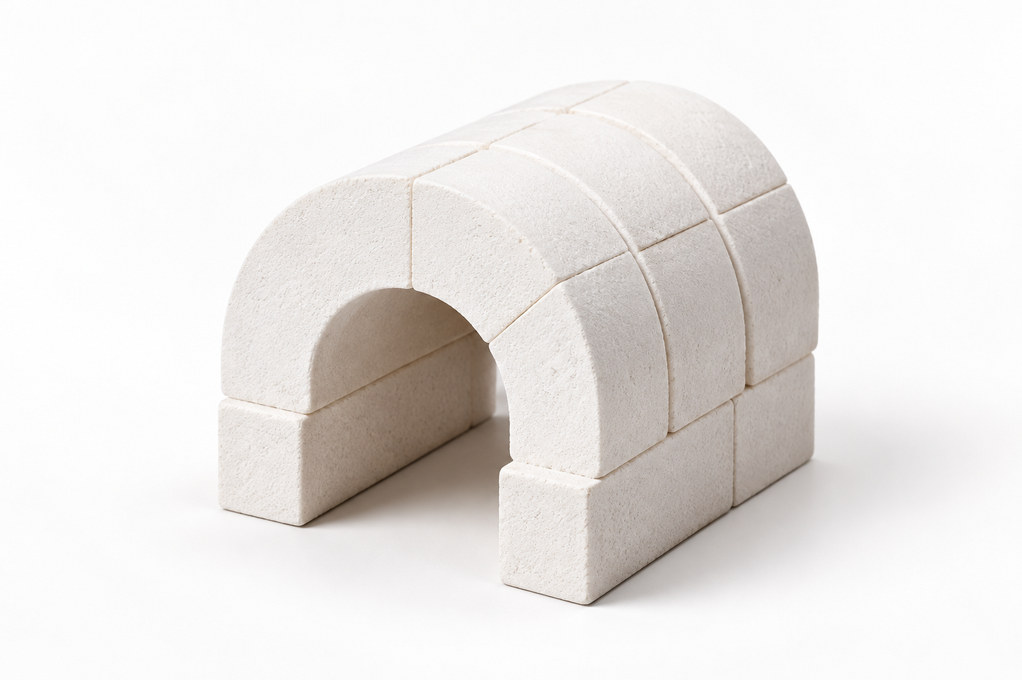
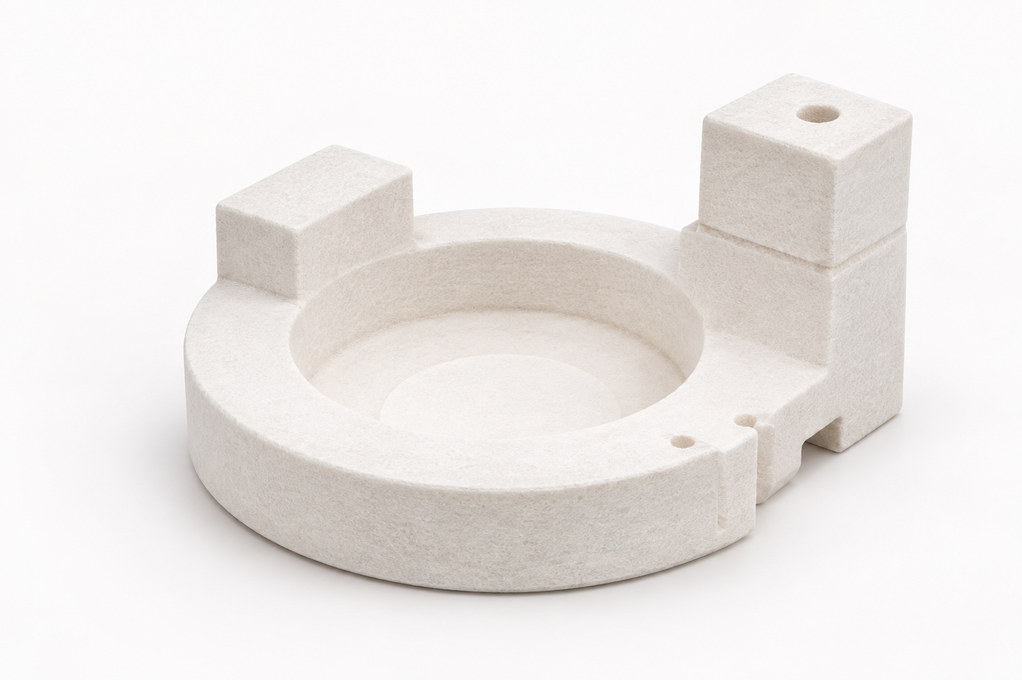


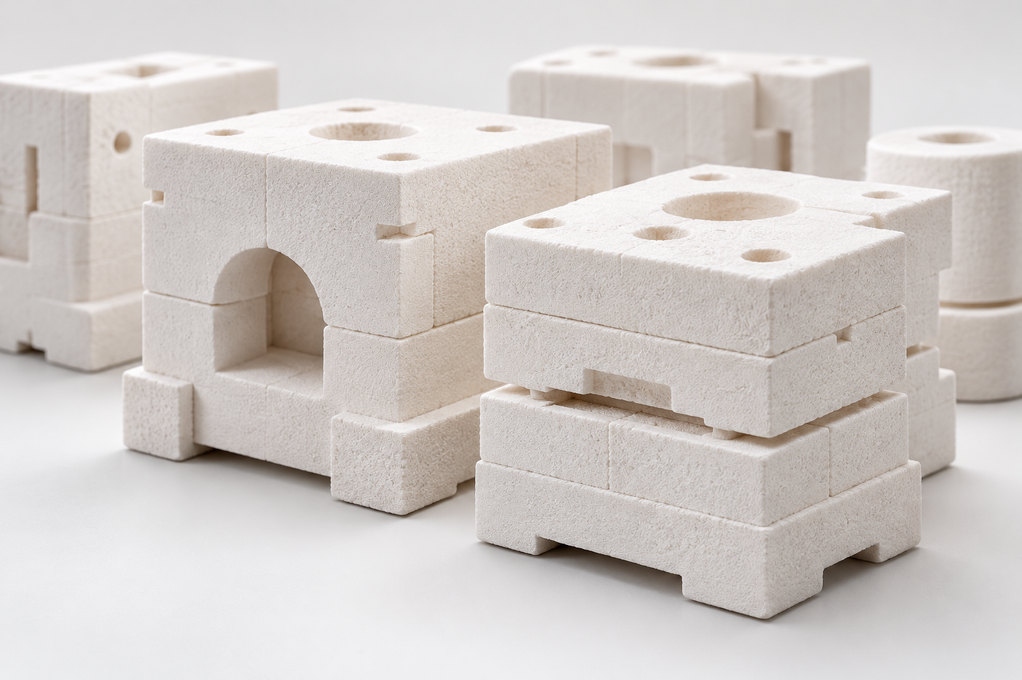
Vacuum formed shapes are rigid, lightweight insulation components made by forming high-temperature fibers in a mold under vacuum. This process allows complex profiles and precise dimensions for parts that must fit closely around thermal equipment. Their low thermal conductivity helps reduce heat loss, while the formed structure makes installation in irregular spaces more practical. Typical applications include furnace doors, burner surrounds, kiln linings, and other high-temperature assemblies. Material grade and dimensions should be selected according to operating temperature, process atmosphere, and installation requirements.


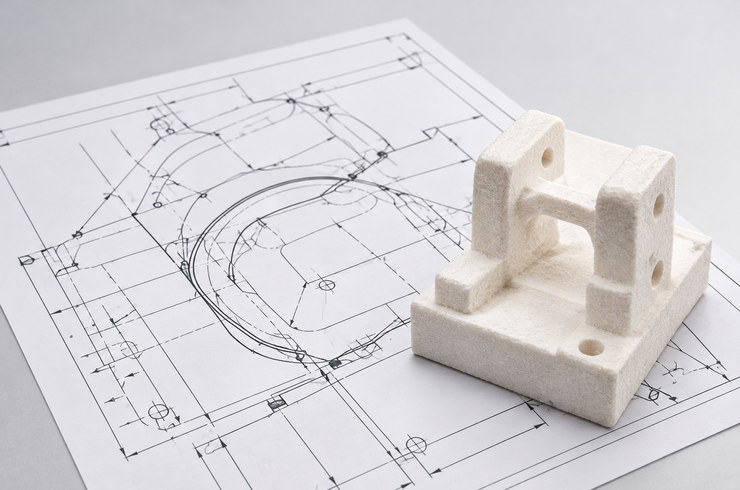
Vacuum formed shapes can be made to customer drawings, specified dimensions, and equipment profiles.

We support supplied designs and work with customers to refine shapes and material selection.

CNC cutting and drilling help achieve the dimensions and openings required for installation.

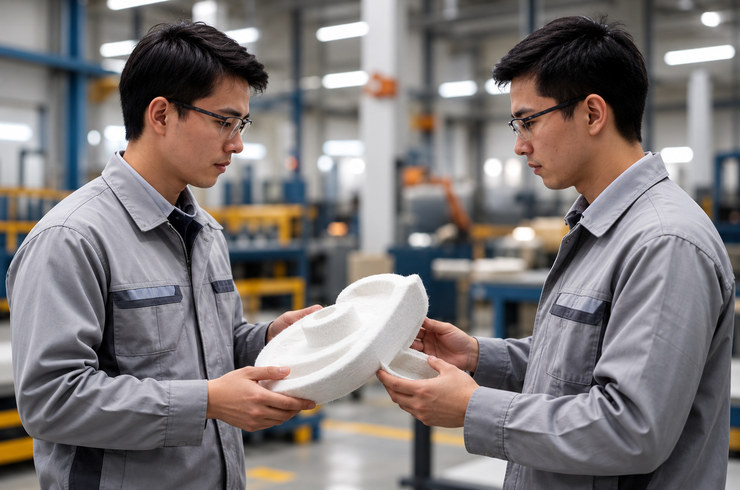
Samples allow customers to check fit and adjust design details before volume production.


Refractory Ceramic Fiber

Alkaline Earth Silicate Fiber

Polycrystalline Wool

We review drawings to understand geometry, installation points, and insulation requirements.
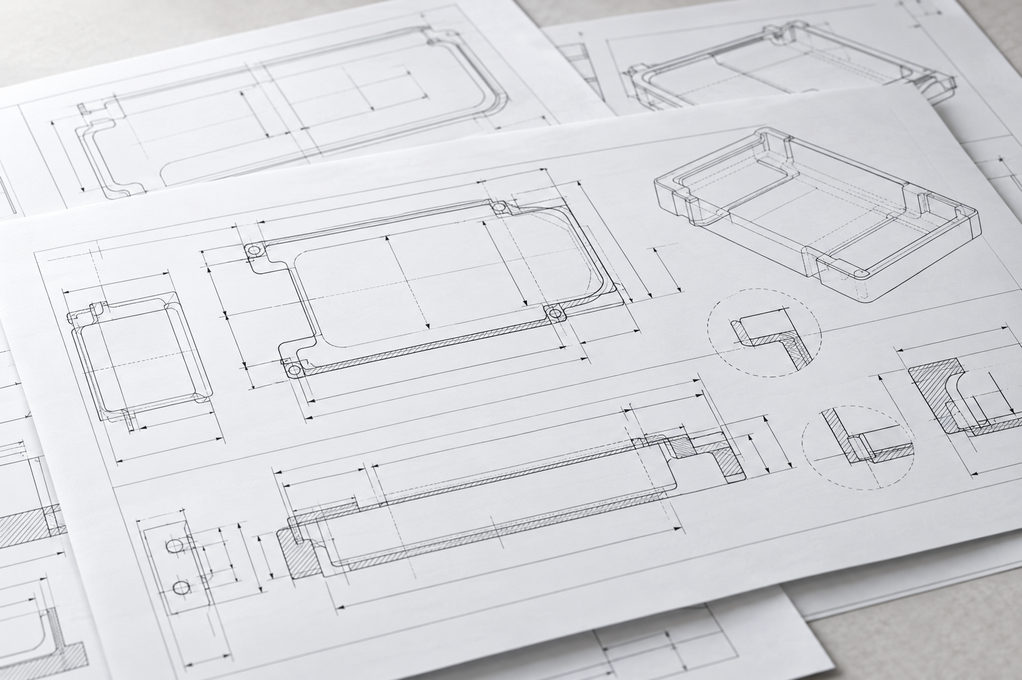

3D models help assess complex shapes and manufacturing feasibility before production.
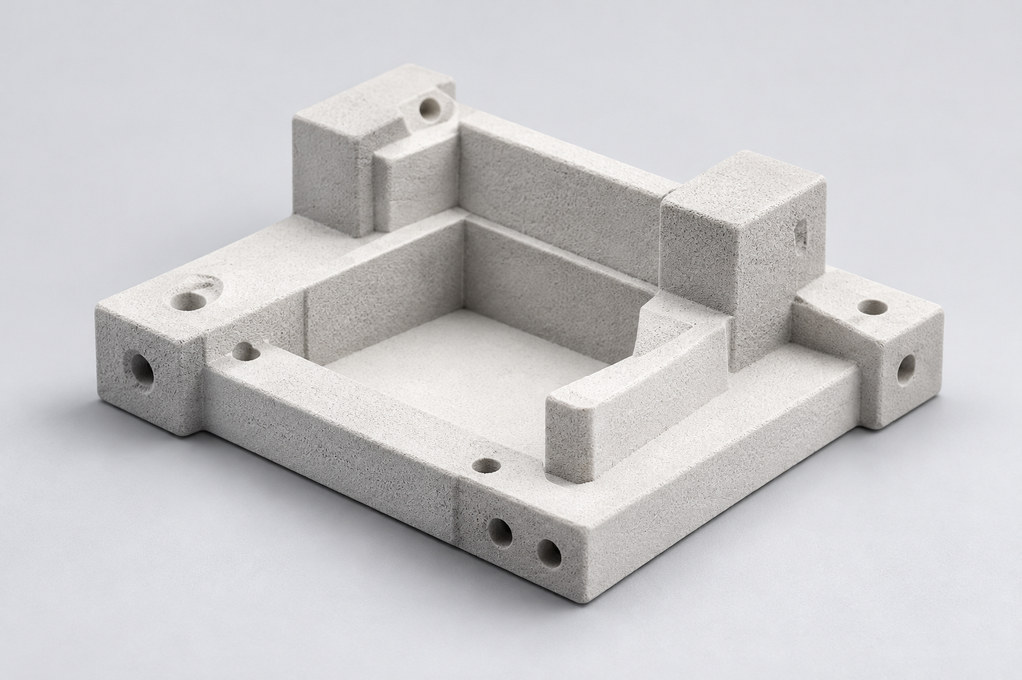

Critical dimensions and clearances are defined around the equipment interface.
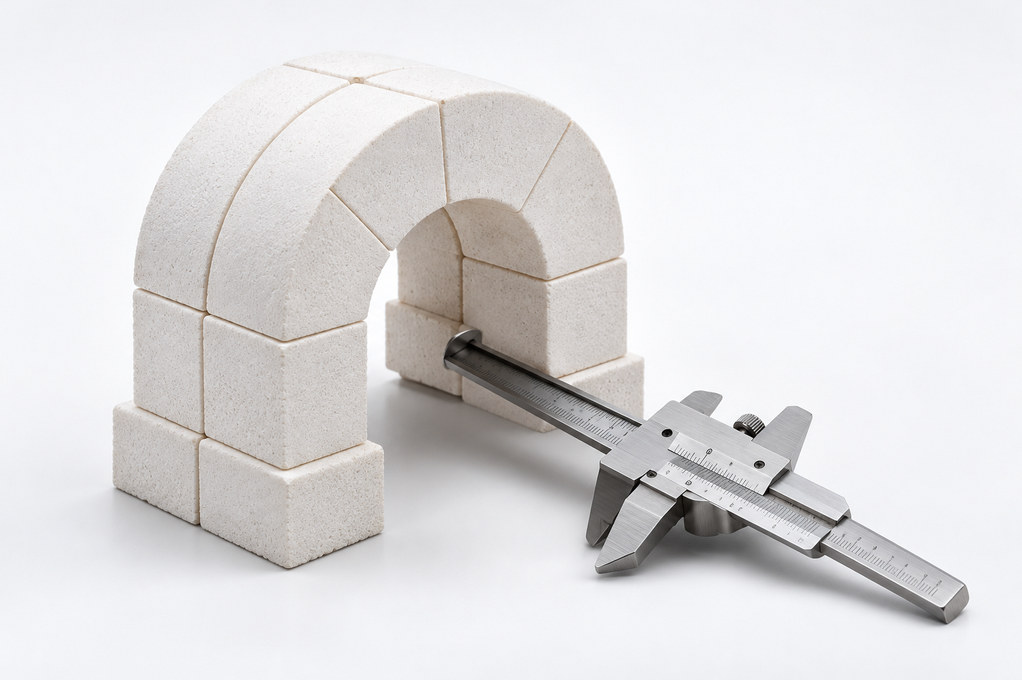

AES, PCW, or RCF is considered according to temperature, atmosphere, and service conditions.
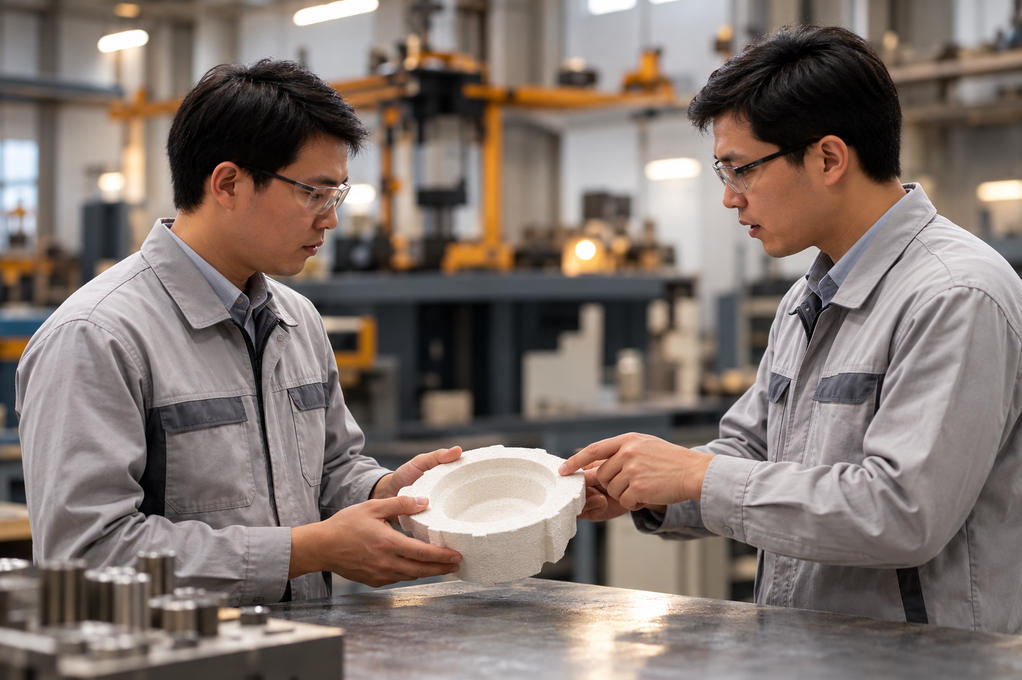

Samples help check fit and refine design details before volume production.
Up to 1,200 × 1,000 mm (L × W), subject to design review.

Thickness up to 300 mm; density options from 64 to 400 kg/m³.

Samples and small-batch orders are available.

Estimated 7–10 days after specifications are confirmed.

Estimated 2–4 weeks, depending on design and quantity.