
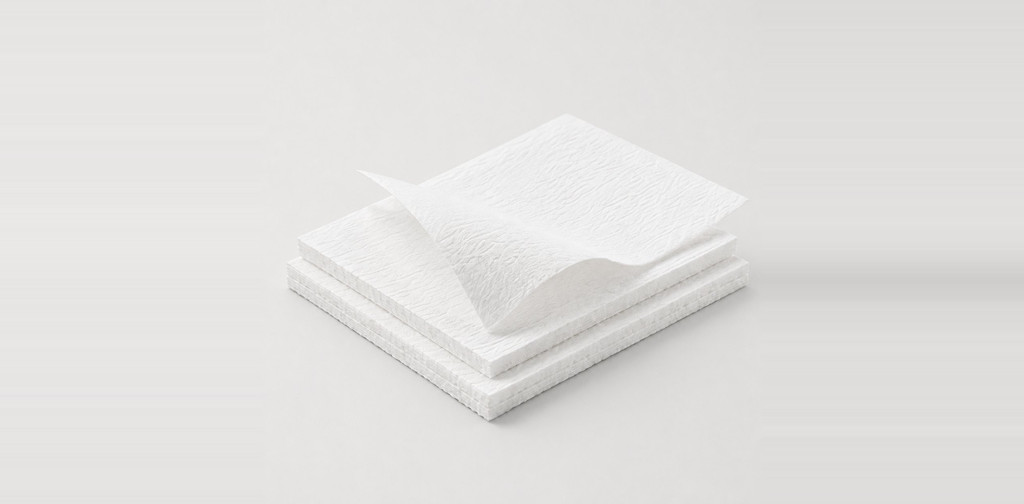
Fiber paper is a thin, lightweight insulation sheet made from high-temperature fibers. Its uniform thickness and flexible structure allow it to be cut or die-cut into precise shapes for narrow gaps and detailed components. The paper helps limit heat transfer while occupying little installation space. It can fit flat or gently curved surfaces, making it useful where insulation, separation, or sealing is needed within a compact design.
Common applications include insulating gaskets, thermal breaks, expansion joints, parting layers, and heat shields in furnaces, kilns, appliances, and process equipment. Fiber paper can also separate components during high-temperature processing. When selecting a grade, consider service temperature, thickness, density, and compression requirements. These factors affect how the paper fits and performs in its intended position.
| Density (kg/m³) | Thickness (mm) | Width (mm) | Length (mm) Optional | Classification Temp (°C) | Color |
|---|---|---|---|---|---|
| 96 | 10 / 20 / 25 / 30 / 40 / 50 | 610 / 1220 | 7200 / 14400 | AES: 1260°C PCW: 1400°C RCF: 1260°C | White |
| 128 | 10 / 20 / 25 / 30 / 40 / 50 | 610 / 1220
| 7200 / 14400 | AES: 1260°C PCW: 1400°C RCF: 1260°C | White |
| 168 | 10 / 20 / 25 / 30 / 40 / 50 | 610 / 1220 | 7200 / 14400 | AES: 1260°C PCW: 1400°C RCF: 1260°C | White |
| 200 | 10 / 20 / 25 / 30 / 40 / 50 | 610 / 1220 | 7200 / 14400 | AES: 1260°C PCW: 1400°C RCF: 1260°C | White |